Morocco is a country with diverse facets, boasting varied climates, preserved regional languages, and stunning landscapes. The Kingdom of Morocco offers much to explore, and regardless of the city you choose to visit, the souks stand out as must-see places showcasing the beauty of Moroccan craftsmanship. This craftsmanship, currently in vogue and popularly featured in magazines and on social media, is characterized by its richness, ancestral roots, and timeless appeal. These qualities have enabled it to gain international recognition, leaving a lasting imprint across various domains, from decoration and fashion to architecture. Marokkado invites you to discover six gems of Moroccan craftsmanship. Let’s delve in!
- POTTERY
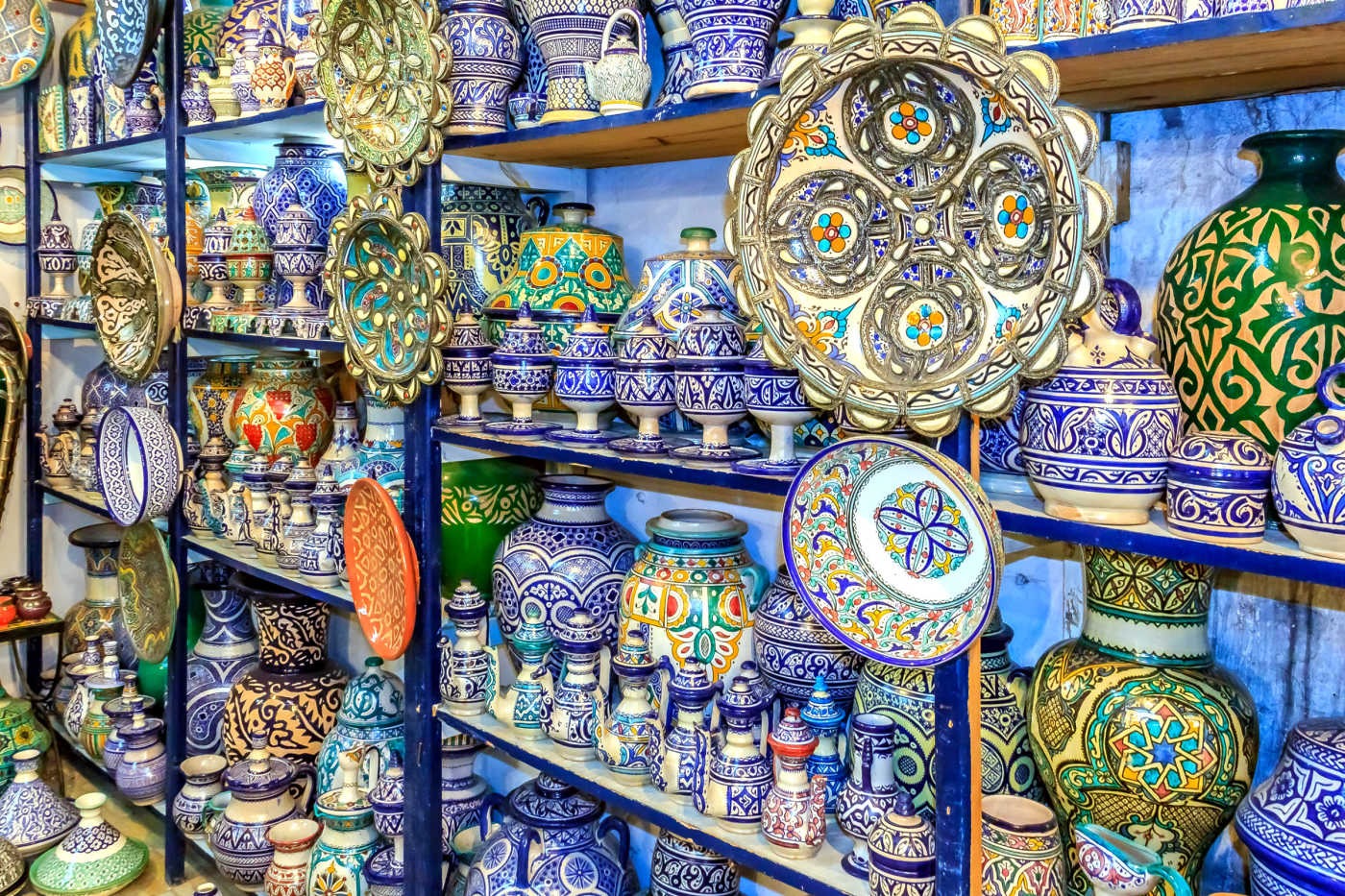
Abundant clay in Morocco serves as an exceptional raw material for pottery. Cities like Fes, Meknes, Marrakech, and Tetouan are renowned for their pottery craftsmanship. While originally functional, pottery has evolved into decorative pieces, including jars, couscous plates, tagine plates, bowls, plates, and jugs. Each city’s pottery may feature specific colors, such as Fes blue or the unique green of Meknes pottery, and distinct patterns often reveal the origin of the pieces. - CARPETS
Berber-inspired carpets, ranging from minimalist designs of the Aït Ouaraïne tribes to colorful creations in the Azilal Tadla region, continue to captivate. These carpets showcase exceptional craftsmanship, combining mastery of raw materials, ancestral weaving techniques, and regional specificities. Each carpet is considered a unique piece of art. - LEATHER
Leatherwork is deeply ingrained in Moroccan craftsmanship, with districts in cities like Marrakech, Fes, and Meknes dedicated to this art. The French word “maroquinerie” (leather goods) itself stems from the Moroccan word “maroquin,” referring to goat skin tanning. Artisans in these cities create wallets, satchels, cushions, and more, providing a fascinating spectacle for tourists. - TRADITIONAL CLOTHING
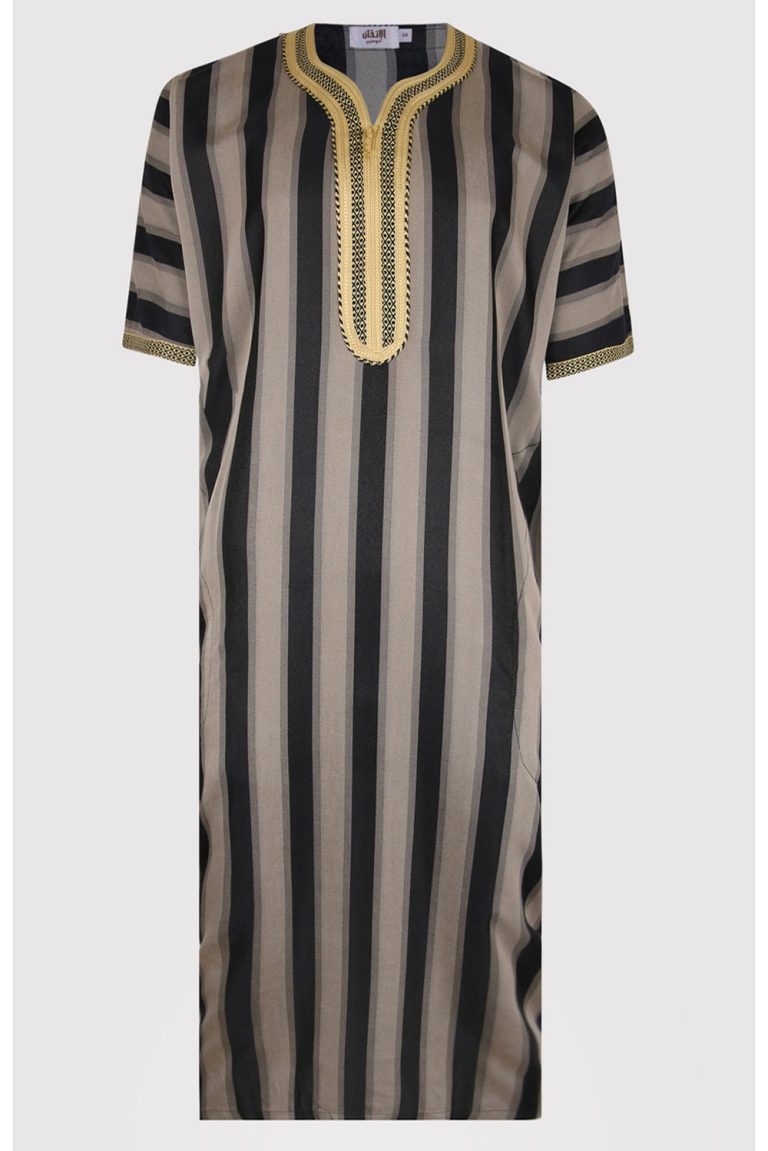
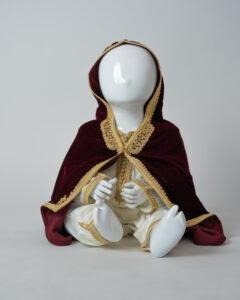
Moroccan traditional clothing, including gandouras, djellabas, caftans, and jabadors, is a captivating facet of craftsmanship. Despite the textile industry’s global shift towards mass production, Morocco preserves its traditions through artisanal workshops, combining handcrafted designs and embroidery. The craftsmanship extends to accessories like babouches and chachiyas for men. - COSMETICS
Morocco’s beauty secrets, derived from its rich natural resources, are highly sought after. Essential oils, including argan and prickly pear oils, as well as clays like ghassoul, showcase the country’s flora and subsoil, providing exceptional materials for body care. - BASKETRY
Basketry is a prevalent trend in Moroccan decoration, featuring baskets, tote bags, hats, and even furniture. Artisans utilize materials like rattan, reed, willow, and dried palm leaves, employing various techniques to create exceptional objects.
This list is by no means exhaustive, encompassing additional crafts such as zellige, jewelry, hats, woodworking, brassworking, and more. In an era dominated by industrialization, Morocco stands as a guardian of its craftsmanship, with the Berbers passing down their knowledge through generations. Muda Paris embraces this artisanal spirit, collaborating with workshops for the creation of its traditional clothing. Each piece, sewn and embroidered by hand, reflects careful craftsmanship and authenticity. Explore our online store for more insights into traditional clothing and to discover our beautiful creations!